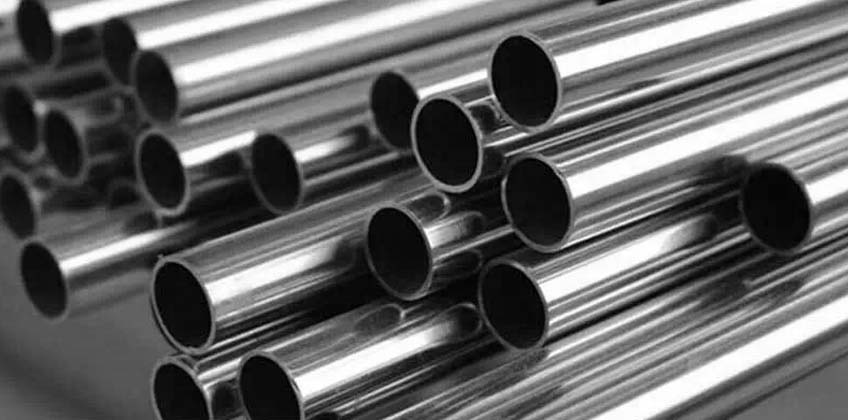
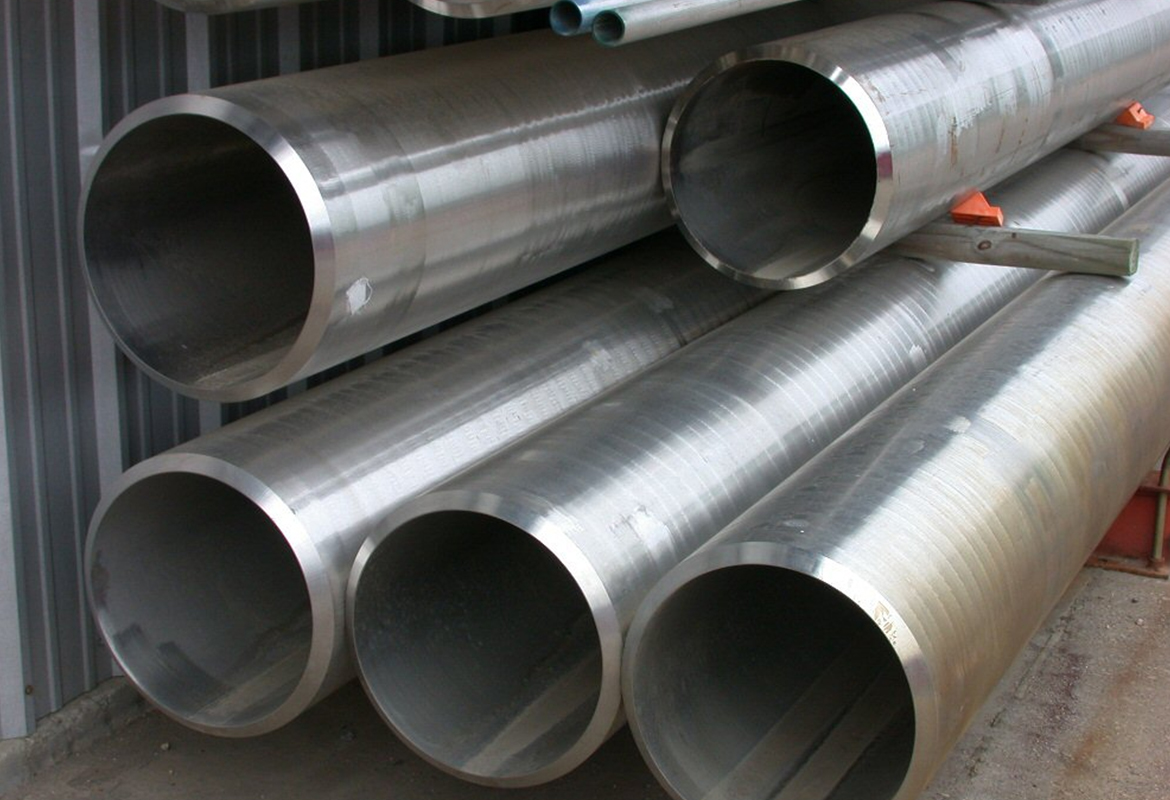
Stainless Steel Pipe (SS Pipe) Complete Industrial Guide to Types, Grades, Applications, Manufacturing Process, Standards, and Buying Guide

Stainless Steel Pipe, commonly known as SS Pipe, is one of the most important industrial piping solutions used across multiple sectors where strength, corrosion resistance, durability, and reliable performance are required.
Industries such as oil and gas, chemical processing, pharmaceuticals, food and beverage, power generation, water treatment, construction, and engineering rely on stainless steel pipes for transporting liquids, gases, chemicals, steam, and other industrial materials safely and efficiently.
The growing demand for SS Pipe in industrial projects has increased because companies require piping systems that can perform under challenging operating conditions. Compared with traditional piping materials, stainless steel provides better resistance against corrosion, lower maintenance requirements, longer service life, and improved reliability.
A stainless steel pipe is selected based on several factors, including:
- Operating environment
- Fluid type
- Pressure requirements
- Temperature conditions
- Corrosion exposure
- Required mechanical strength
- Industry standards
The correct selection of stainless steel pipe grade and specification directly impacts system performance, safety, and operational cost.
This complete guide explains stainless steel pipes in detail, including:
- What is SS Pipe?
- Advantages of stainless steel pipes
- Different types of SS Pipes
- Stainless steel grades
- SS 304 Pipe vs SS 316 Pipe
- Manufacturing process
- Industrial applications
- Pipe standards
- Size and weight calculation
- Price factors
- Buying considerations
- Frequently asked questions
What is SS Pipe?
A Stainless Steel Pipe (SS Pipe) is a hollow cylindrical product manufactured from stainless steel alloys containing chromium as the primary corrosion-resistant element.Stainless steel generally contains a minimum of 10.5% chromium. This chromium creates a thin protective oxide layer on the surface of the material. This passive layer helps prevent corrosion and improves the durability of the pipe.
Unlike conventional carbon steel pipes, stainless steel pipes can withstand moisture, chemicals, high temperatures, and demanding industrial conditions while maintaining their mechanical properties.
SS Pipes are manufactured in different:
Grades | Sizes | Wall thicknesses | Shapes | Manufacturing methods | Surface finishes
The selection depends on the application requirement.
Common stainless steel pipe grades include:
- SS 304 Pipe
- SS 304L Pipe
- SS 316 Pipe
- SS 316L Pipe
- SS 321 Pipe
- SS 310 Pipe
- Duplex Stainless Steel Pipe
- Super Duplex Stainless Steel Pipe
Each grade provides different levels of corrosion resistance, strength, temperature resistance, and suitability for industrial environments.
Why Stainless Steel Pipes Are Widely Used in Industries
Stainless steel pipes have become a preferred choice for industrial piping systems because of their combination of strength, durability, and corrosion resistance. Industries choose SS Pipes when they require a reliable piping solution that can operate for long periods with minimum maintenance.
1. Excellent Corrosion Resistance
The biggest advantage of stainless steel pipes is their resistance to corrosion. The chromium content in stainless steel forms a protective layer that reduces the possibility of rust formation when exposed to:
Water | Chemicals | Humidity | Atmospheric conditions | Industrial fluids
Because of this property, stainless steel pipes are widely used in:
- Chemical plants
- Marine industries
- Pharmaceutical facilities
- Food processing units
- Water treatment plants
Corrosion resistance helps industries reduce replacement costs and improve the operating life of piping systems.
2. High Strength and Long Service Life
Industrial piping systems often operate under high pressure, temperature variations, and continuous working conditions. Stainless steel pipes provide excellent mechanical strength and maintain structural stability even in demanding environments.
The durability of SS Pipes makes them suitable for applications where reliability and long-term performance are critical.
Key benefits include:
- High load-bearing capability
- Resistance to wear
- Better structural stability
- Longer operational life
For industries, this means fewer shutdowns, reduced maintenance requirements, and improved productivity.
3. Resistance to High Temperature
Many industrial processes involve extreme temperatures.
Stainless steel pipes maintain their strength and performance under high-temperature conditions, making them suitable for applications such as:
- Heat exchangers
- Boilers
- Power plants
- Chemical processing equipment
The ability to perform under heat makes stainless steel an important material for energy and process industries.
4. Low Maintenance Requirement
One of the major reasons industries prefer stainless steel piping systems is their low maintenance requirement.
Although stainless steel pipes may have a higher initial purchase cost compared with some alternatives, their long-term maintenance cost is generally lower because of their corrosion resistance and durability.
Benefits include:
- Fewer repairs
- Reduced replacement frequency
- Lower downtime
- Better lifecycle value
5. Hygienic Properties
Stainless steel has a smooth surface finish that makes cleaning easier and reduces the possibility of contamination.
This makes SS Pipes highly suitable for industries where hygiene and cleanliness are important.
Major applications include:
- Food processing plants
- Dairy industries
- Beverage industries
- Pharmaceutical manufacturing units
The non-reactive surface of stainless steel helps maintain product quality and safety.
Types of Stainless Steel Pipes
Stainless steel pipes are classified according to manufacturing method, design, and application requirements.
The major types include:
- Seamless Stainless Steel Pipe
- Welded Stainless Steel Pipe</strong
- ERW Stainless Steel Pipe
- Round Stainless Steel Pipe
- Square Stainless Steel Pipe
- Rectangular Stainless Steel Pipe
Each type has specific advantages and is selected according to operating conditions.
Seamless Stainless Steel Pipe

A Seamless Stainless Steel Pipe is manufactured without any welding joint.
It is produced from a solid stainless steel billet that is processed into a hollow tube through methods such as extrusion and piercing.
Since there is no welded seam, seamless pipes provide excellent strength and better pressure-handling capability.
Features of Seamless SS Pipe
Major advantages include:
- High pressure resistance
- Excellent mechanical strength
- Better structural reliability
- Smooth internal surface
- Suitable for critical applications
Applications of Seamless SS Pipe
Seamless stainless steel pipes are commonly used in:
Oil and gas industries | Chemical processing plants | Power generation facilities | Pressure systems | Heat exchangers | Refineries

Common standards associated with seamless stainless steel pipes include:
- ASTM A312
- ASTM A269
- ASTM A213
Welded Stainless Steel Pipe

A Welded Stainless Steel Pipe is manufactured by forming stainless steel sheets or strips into a cylindrical shape and joining the edges through welding.
Modern welding technologies provide strong and reliable welded joints suitable for many industrial applications.
Welded SS Pipes are commonly preferred because they are economical and available in a wide range of sizes.
Advantages of Welded SS Pipe
Key benefits include:
- Cost-effective solution
- Availability in larger sizes
- Custom manufacturing options
- Suitable for general industrial applications
Applications of Welded SS Pipe
Welded stainless steel pipes are used in:
Water pipelines | Construction projects | Food processing plants | Industrial piping systems | Decorative applications


ERW Stainless Steel Pipe
ERW stands for Electric Resistance Welded Pipe.In this manufacturing process, stainless steel pipe edges are joined using electrical resistance heating.
ERW stainless steel pipes provide good dimensional accuracy and are commonly used for medium-pressure applications.
Benefits of ERW Stainless Steel Pipe
- Accurate dimensions
- Smooth welding finish
- Cost-effective manufacturing
- Suitable for transportation systems
Round Stainless Steel Pipe
Round SS Pipes are the most commonly used stainless steel pipe shapes. Their circular design provides efficient fluid flow characteristics and good pressure-handling capability.
Common applications include:
- Fluid transportation
- Gas pipelines
- Heat exchangers
- Industrial equipment
Square Stainless Steel Pipe
Square stainless steel pipes have a square cross-sectional design and are mainly used in structural and fabrication applications.
They provide:
- Good strength
- Attractive appearance
- Easy fabrication
Applications include:
- Architectural structures
- Railings
- Machinery frames
- Fabrication work
Rectangular Stainless Steel Pipe
Rectangular SS Pipes are selected where specific structural strength and design requirements are needed.
They are commonly used in:
- Construction industries
- Furniture manufacturing
- Industrial fabrication
Seamless vs Welded SS Pipe, Stainless Steel Grades, SS 304 Pipe and SS 316 Pipe Guide
Seamless SS Pipe vs Welded SS Pipe: Complete Comparison
Selecting between seamless and welded stainless steel pipes is an important decision for industrial buyers. Both types provide reliable performance, but their suitability depends on application requirements, pressure conditions, operating environment, and project specifications.
The major difference between seamless and welded SS Pipes is their manufacturing method.
A seamless stainless steel pipe is produced without any welding joint, while a welded stainless steel pipe is manufactured by forming stainless steel sheets or strips and joining them through welding.
Difference Between Seamless and Welded Stainless Steel Pipe
| Feature | Seamless SS Pipe | Welded SS Pipe |
|---|---|---|
| Manufacturing Process | Manufactured without welding | Manufactured by welding stainless steel sheets or strips |
| Strength | Higher pressure strength | Good strength for general applications |
| Pressure Capability | Suitable for high-pressure systems | Suitable for standard pressure applications |
| Cost | Higher due to manufacturing process | More economical |
| Size Availability | Limited availability in very large sizes | Available in larger sizes |
| Applications | Critical industrial systems | General industrial applications |
When to Choose Seamless Stainless Steel Pipe?
Seamless SS Pipes are preferred when the application requires:
- High pressure resistance
- Maximum reliability
- Better structural strength
- Critical process performance
- High-temperature operation
Common industries using seamless stainless steel pipes include:
Oil and gas | Refineries | Chemical processing | Power generation | Pressure equipment
For industries where pipe failure can result in major operational risks, seamless pipes are often selected because of their higher pressure capability.
When to Choose Welded Stainless Steel Pipe?
Welded SS Pipes are suitable for applications where:
- Cost efficiency is important
- Large diameter pipes are required
- Operating pressure is moderate
- Standard industrial performance is sufficient
Common applications include:
- Water pipelines
- Construction projects
- Food processing systems
- Fabrication work
- Industrial transportation systems
The correct choice depends on project requirements rather than simply selecting the higher-cost option.
Stainless Steel Pipe Grades Explained
The grade of stainless steel pipe determines its chemical composition, corrosion resistance, strength, and suitability for different industrial environments.
Choosing the correct SS Pipe grade is one of the most important steps during piping system design and purchasing.
Different industries require different grades based on:
- Chemical exposure
- Temperature conditions
- Pressure requirements
- Corrosion risk
- Hygiene requirements
The most commonly used stainless steel pipe grades belong to the austenitic stainless steel family because they provide excellent corrosion resistance, good weldability, and reliable mechanical properties.
Common industrial SS Pipe grades include:
- SS 304 Pipe
- SS 304L Pipe
- SS 316 Pipe
- SS 316L Pipe
- SS 321 Pipe
- SS 310 Pipe
- Duplex Stainless Steel Pipe
Among these grades, SS 304 and SS 316 are the most widely used across industrial applications.
SS 304 is considered a general-purpose stainless steel grade, while SS 316 provides improved corrosion resistance, especially in chloride and marine environments.
SS 304 Pipe Complete Industrial Guide
What is SS 304 Pipe?
SS 304 Pipe is one of the most commonly used stainless steel pipes worldwide.
It is an austenitic stainless steel grade containing chromium and nickel, providing a combination of corrosion resistance, strength, and fabrication flexibility.
SS 304 is often known as an 18/8 stainless steel grade because it contains approximately:
- 18% chromium
- 8% nickel
Due to its balanced properties, SS 304 Pipe is widely used in industries where moderate corrosion resistance is required.
Properties of SS 304 Pipe
Major properties of SS 304 Pipe include:
Excellent Corrosion Resistance
SS 304 provides good resistance against atmospheric corrosion, moisture, and many industrial environments.
High Durability
The material provides long service life and maintains strength during continuous operation.
Good Weldability
SS 304 can be easily welded and fabricated, making it suitable for different industrial designs.
Easy Fabrication
The grade can be formed, machined, and processed according to project requirements.
Good Surface Finish
SS 304 provides a clean and attractive surface finish, making it suitable for both industrial and architectural applications.
Applications of SS 304 Pipe
SS 304 Pipes are commonly used in:
- Food processing industries
- Pharmaceutical equipment
- Chemical processing systems
- Heat exchangers
- Water pipelines
- Architectural applications
- Dairy plants
- Industrial equipment
SS 304 is generally selected where the operating environment is not highly aggressive.
SS 304L Pipe: Low Carbon Stainless Steel Pipe
SS 304L Pipe is a low-carbon version of SS 304.
The reduced carbon content helps minimize the risk of carbide precipitation during welding, making it suitable for welded structures where corrosion resistance after welding is important.
Advantages of SS 304L Pipe
Key benefits include:
- Better welding performance
- Reduced risk of intergranular corrosion
- Good corrosion resistance
- Suitable for fabrication applications
Applications of SS 304L Pipe
SS 304L Pipes are used in:
- Chemical processing equipment
- Storage tanks
- Pressure vessels
- Pharmaceutical piping systems
SS 316 Pipe: Complete Industrial Guide
What is SS 316 Pipe?
SS 316 Pipe is a premium stainless steel grade known for its superior corrosion resistance compared with SS 304.
The addition of molybdenum improves resistance against:
- Pitting corrosion
- Crevice corrosion
- Chloride exposure
- Chemical environments
Because of its excellent performance in marine conditions, SS 316 is often called marine-grade stainless steel.
Properties of SS 316 Pipe
Important properties include:
- Superior corrosion resistance
- Excellent chemical resistance
- Better performance in saltwater environments
- High mechanical strength
- Long service life
Applications of SS 316 Pipe
SS 316 Pipes are widely used in:
- Marine industries
- Offshore platforms
- Chemical plants
- Pharmaceutical industries
- Petrochemical industries
- Desalination plants
- Food processing industries
SS 316 is preferred when the operating environment has higher corrosion risk compared with standard industrial conditions.
SS 316L Pipe Low Carbon Stainless Steel Grade
SS 316L Pipe is the low-carbon version of SS 316. The lower carbon content improves corrosion resistance after welding and makes it suitable for critical applications where welding performance and corrosion protection are important.
Applications of SS 316L Pipe
SS 316L Pipes are commonly used in:
- Pharmaceutical plants
- Chemical equipment
- Marine systems
- Heat exchangers
- Pressure systems
SS 304 Pipe vs SS 316 Pipe Which One is Better?
SS 304 and SS 316 are the two most commonly selected stainless steel pipe grades. Both provide excellent performance, but the correct choice depends on the working environment.
Comparison Between SS 304 and SS 316 Pipe
| Feature | SS 304 Pipe | SS 316 Pipe |
|---|---|---|
| Corrosion Resistance | Excellent | Superior |
| Main Alloy Elements | Chromium + Nickel | Chromium + Nickel + Molybdenum |
| Chloride Resistance | Moderate | High |
| Marine Applications | Limited | Excellent |
| Cost | Lower | Higher |
| Common Applications | General industrial applications | Chemical and marine industries |
When to Select SS 304 Pipe?
Choose SS 304 Pipe for:
- General industrial applications
- Food processing
- Water systems
- Construction projects
- Equipment fabrication
When to Select SS 316 Pipe?
Choose SS 316 Pipe for:
- Chemical industries
- Marine environments
- Offshore applications
- Pharmaceutical plants
- High-corrosion conditions
The selection between SS 304 and SS 316 depends mainly on environmental exposure and corrosion requirements.
Stainless Steel Pipe Manufacturing Process, Standards, Size Chart, Weight Calculation, and Pricing Factors
Stainless Steel Pipe Manufacturing Process
The manufacturing process of stainless steel pipes plays an important role in determining their quality, strength, dimensional accuracy, and overall performance.
The production method depends mainly on whether the pipe is:
- Seamless stainless steel pipe
- Welded stainless steel pipe
Manufacturers follow controlled production processes to achieve the required:
- Pipe dimensions
- Mechanical properties
- Surface quality
- Corrosion resistance
- Industrial standards
Seamless Stainless Steel Pipe Manufacturing Process
A seamless stainless steel pipe is manufactured from a solid stainless steel billet without any welding joint.
The process creates a continuous hollow pipe structure, making seamless pipes suitable for applications requiring high strength and pressure resistance.
Step 1: Raw Material Selection
The first step is selecting high-quality stainless steel billets according to the required grade and application.
The raw material chemistry is checked to ensure the correct levels of:
- Chromium
- Nickel
- Molybdenum
- Carbon
Proper chemical composition ensures the final pipe achieves the required corrosion resistance and mechanical properties.
Step 2: Heating of Stainless Steel Billet
The selected stainless steel billet is heated at high temperature to make it suitable for forming.
Controlled heating improves material flexibility and prepares the billet for the piercing process.
Proper temperature control is important because it affects:
- Material structure
- Forming quality
- Final pipe performance
Step 3: Piercing Process
During the piercing process, the heated billet is passed through a rotary piercing system.
This creates a hollow tube structure from the solid billet. The piercing process forms the basic shape of the seamless pipe.
Step 4: Rolling and Sizing
After piercing, the hollow tube passes through rollers to achieve the required dimensions.
The rolling and sizing process controls:
- Outside diameter
- Wall thickness
- Dimensional accuracy
This step ensures that the pipe meets project specifications.
Step 5: Heat Treatment
Heat treatment improves the overall performance of stainless steel pipes.
It helps improve:
- Mechanical properties
- Corrosion resistance
- Material stability
The treatment process ensures the pipe performs reliably under industrial operating conditions.
Step 6: Testing and Inspection
Quality testing is an essential part of stainless steel pipe manufacturing.
Finished seamless SS Pipes undergo different inspections, including:
- Chemical testing
- Mechanical testing
- Hydrostatic testing
- Ultrasonic testing
- Dimensional inspection
These tests verify that the pipe meets required quality standards.
Welded Stainless Steel Pipe Manufacturing Process
Welded stainless steel pipes are manufactured from stainless steel sheets or strips.
The material is formed into a cylindrical shape, and the edges are joined through welding. Modern welding methods provide strong and reliable welded joints suitable for many industrial applications.
Step 1: Stainless Steel Strip Preparation
The manufacturing process begins with selecting stainless steel coils or strips according to:
- Required grade
- Thickness
- Pipe specification
The selected material must meet chemical and dimensional requirements.
Step 2: Forming Process
The stainless steel strip is gradually shaped into a cylindrical form using forming rollers.
This process creates the basic pipe structure before welding.
Step 3: Welding Process
The edges of the formed pipe are joined through welding.
Common welding methods include:
- TIG welding
- Laser welding
- Electric resistance welding
The welding method depends on pipe requirements, application, and manufacturing specifications.
Step 4: Weld Finishing
After welding, the welded area is treated to achieve:
- Smooth surface
- Better strength
- Improved appearance
Proper weld finishing helps improve the overall quality of the pipe.
Step 5: Testing and Inspection
The finished welded stainless steel pipe undergoes quality checks.
Testing includes:
- Pressure testing
- Weld inspection
- Surface inspection
- Dimension checking
These inspections help ensure reliable performance in industrial applications.
Stainless Steel Pipe Standards
Industrial stainless steel pipes are manufactured according to international standards to ensure quality, safety, and performance.
Standards define requirements related to:
- Material composition
- Manufacturing process
- Testing procedures
- Dimensional accuracy
- Performance requirements
ASTM Standards for Stainless Steel Pipes
ASTM A312 Stainless Steel Pipe Standard
ASTM A312 is one of the most commonly used specifications for seamless and welded austenitic stainless steel pipes.
It is widely used for applications involving:
- High temperature
- Corrosive environments
- Industrial processing systems
ASTM A358 Stainless Steel Pipe Standard
ASTM A358 is used for electric fusion welded stainless steel pipes.
It covers requirements related to welded pipe manufacturing and quality.
ASTM A269 Stainless Steel Tubing Standard
ASTM A269 is used for seamless and welded stainless steel tubing designed for general corrosion-resistant applications.
ASME Standards for Stainless Steel Pipes
ASME standards are widely followed in pressure equipment and industrial piping applications.
These standards help ensure that piping systems meet safety and performance requirements.
Stainless Steel Pipe Size Chart
Selecting the correct SS Pipe size is important for achieving proper:
- Flow capacity
- Pressure performance
- Installation compatibility
- System efficiency
Pipe size is generally specified by:
- Nominal Pipe Size (NPS)
- Outside Diameter (OD)
- Wall Thickness
- Schedule Number
Common Stainless Steel Pipe Sizes
| Pipe Size | Outside Diameter |
|---|---|
| ½ Inch | 21.34 mm |
| ¾ Inch | 26.67 mm |
| 1 Inch | 33.40 mm |
| 2 Inch | 60.33 mm |
| 3 Inch | 88.90 mm |
| 4 Inch | 114.30 mm |
| 6 Inch | 168.28 mm |
| 8 Inch | 219.08 mm |
Stainless Steel Pipe Schedule and Thickness
The wall thickness of an SS Pipe depends on pressure requirements and application conditions.
Common stainless steel pipe schedules include:
- SCH 5S
- SCH 10S
- SCH 40S
- SCH 80S
- SCH 160S
A higher schedule number generally indicates a thicker pipe wall.
Stainless Steel Pipe Weight Calculation
SS Pipe weight is an important factor for:
- Material estimation
- Transportation planning
- Project costing
- Structural calculations
The standard formula for calculating stainless steel pipe weight is:
Weight (Kg/m) = (OD – Thickness) × Thickness × 0.02466
Where:
- OD = Outside Diameter in mm
- Thickness = Wall Thickness in mm
Example Weight Calculation
Consider a stainless steel pipe with:
- Outside Diameter = 50 mm
- Thickness = 2 mm
Formula:
(50 – 2) × 2 × 0.02466
= 2.36 Kg/m approximately
Factors Affecting Stainless Steel Pipe Weight
The weight of an SS Pipe depends on:
- Pipe diameter
- Wall thickness
- Stainless steel grade
- Pipe length
- Manufacturing type
A thicker pipe wall increases the overall weight and material requirement.
Stainless Steel Pipe Price Factors
There is no fixed price for stainless steel pipes because pricing changes based on raw material costs, market conditions, specifications, and order requirements.
The major factors affecting SS Pipe price include:
- Stainless steel grade
- Nickel and chromium prices
- Pipe size
- Wall thickness
- Manufacturing type
- Quantity requirement
- Surface finish
1. Stainless Steel Grade
The grade is one of the biggest factors affecting SS Pipe pricing.
Generally, SS 316 Pipe costs more than SS 304 Pipe because SS 316 contains additional alloy elements such as molybdenum, which improves corrosion resistance.
2. Nickel and Chromium Market Price
Stainless steel contains valuable alloy elements such as nickel and chromium.
Changes in the prices of these materials directly influence stainless steel pipe costs.
3. Pipe Size and Thickness
Larger diameter pipes and thicker wall pipes require more raw material.
As a result, they generally have higher prices compared with smaller and thinner pipes.
4. Seamless vs Welded Pipe Cost
Seamless stainless steel pipes generally cost more because of their manufacturing process and higher pressure capability.
Welded pipes are usually a more economical option for standard industrial applications.
5. Quantity Requirement
Bulk industrial orders generally receive better pricing compared with smaller quantity purchases.
Order volume can significantly affect the final commercial quotation.
6. Surface Finish
Special surface finishes can increase stainless steel pipe cost.
Common finishes include:
- Polished finish
- Mirror finish
- Satin finish
Stainless Steel Pipe Applications, Selection Guide, Supplier Evaluation, and Industrial Buying Considerations
How to Buy the Right SS Pipe for Industrial Applications
Selecting the correct stainless steel pipe is an important decision for industrial projects. A wrong selection can lead to problems such as corrosion, unexpected maintenance costs, reduced system efficiency, and shorter service life.
Before purchasing SS Pipe, buyers should evaluate several technical and commercial factors, including:
- Application requirements
- Material grade
- Operating temperature
- Pressure conditions
- Corrosion environment
- Pipe dimensions
- Manufacturing type
- Quality certifications
- Supplier capability
A reliable stainless steel pipe supplier can help industries select the correct specification based on project requirements.
1. Understand the Application Requirement
The first step in selecting an SS Pipe is understanding where the pipe will be installed and how it will operate.
Different industries have different requirements based on the type of fluid, working conditions, and environmental exposure.
Before selecting a pipe, buyers should consider:
- What fluid will flow through the pipe?
- What is the operating temperature?
- What pressure will the pipe handle?
- Is corrosion resistance required?
- Is hygiene a critical requirement?
The answers to these questions help determine the correct stainless steel grade, size, and manufacturing type.
2. Select the Correct Stainless Steel Grade
Choosing the correct stainless steel grade is one of the most important factors in pipe selection.
Different grades provide different levels of corrosion resistance and mechanical performance.
SS 304 Pipe Selection
SS 304 Pipe is suitable for:
- Food processing applications
- General industrial systems
- Water pipelines
- Construction applications
- Equipment fabrication
It is preferred where good corrosion resistance is required under normal operating conditions.
SS 316 Pipe Selection
SS 316 Pipe is recommended for more demanding environments, including:
- Chemical industries
- Marine applications
- Pharmaceutical plants
- High-corrosion environments
The addition of molybdenum provides better resistance against chloride and chemical corrosion.
3. Choose Between Seamless and Welded SS Pipe
The manufacturing type should match the application requirement.
Seamless SS Pipe
Seamless pipes are recommended for:
- High-pressure systems
- Critical industrial applications
- Oil and gas industries
- Pressure equipment
Their manufacturing without welding joints provides excellent strength and reliability.
Welded SS Pipe
Welded pipes are commonly selected for:
- General industrial applications
- Water pipelines
- Structural applications
- Standard process systems
They provide a cost-effective solution where extreme pressure capability is not required.
4. Check Pipe Size and Thickness
Pipe dimensions directly affect system performance.
Incorrect sizing can impact:
- Fluid flow efficiency
- Pressure handling capability
- Installation compatibility
- Overall system performance
Important parameters include:
- Outside Diameter (OD)
- Wall Thickness
- Schedule Number
- Pipe Length
5. Verify Quality Standards and Certifications
Industrial buyers should always verify that stainless steel pipes are manufactured according to recognized quality standards.
Important documents include:
- Material Test Certificate (MTC)
- Chemical Composition Report
- Mechanical Test Report
- Inspection Certificate
Common standards include:
- ASTM A312
- ASTM A269
- ASTM A358
- ASME Standards
These documents help confirm material quality, chemical composition, and manufacturing compliance.
6. Consider Surface Finish Requirements
The required surface finish depends on the application. Different industries require different finishes based on appearance, cleanliness, and operating conditions.
Common stainless steel pipe finishes include:
Mill Finish
Used for standard industrial applications where appearance is not the primary requirement.
Satin Finish
Provides a smooth surface and is commonly used where appearance and cleanliness are important.
Polished Finish
Used in applications requiring an attractive surface appearance.
Mirror Finish
Used mainly for decorative and architectural applications.
Industrial Applications of Stainless Steel Pipes
Stainless steel pipes are used across multiple industries because of their:
- Corrosion resistance
- Mechanical strength
- Temperature resistance
- Hygienic properties
- Long service life
They are essential components in industries where reliable material performance is required.
1. Stainless Steel Pipe Applications in Oil and Gas Industry
The oil and gas industry operates under some of the most challenging conditions.
Piping systems must handle:
- High pressure
- High temperature
- Corrosive fluids
- Continuous operation
Stainless steel pipes are widely used in:
- Refineries
- Offshore platforms
- Petrochemical plants
- Gas processing units
- Transportation pipelines
Why SS Pipes Are Used in Oil and Gas
Stainless steel provides:
- Excellent corrosion resistance
- High mechanical strength
- Long service life
- Reduced maintenance requirements
Commonly used grades include:
- SS 304 Pipe
- SS 316 Pipe
- Duplex Stainless Steel Pipe
SS 316 Pipe is especially preferred in offshore and marine environments because of its improved chloride corrosion resistance.
2. Stainless Steel Pipe Applications in Chemical Industry
Chemical processing industries handle aggressive materials that can damage conventional piping systems.
These industries require pipes that can resist:
- Acids
- Alkalis
- Chemical solutions
- Corrosive fluids
Stainless steel pipes provide reliable performance in chemical processing environments.
Applications in Chemical Plants
SS Pipes are used in:
- Chemical transfer pipelines
- Storage systems
- Reactor connections
- Processing equipment
SS 316 and SS 316L Pipes are commonly selected because of their enhanced corrosion resistance.
3. Stainless Steel Pipe Applications in Pharmaceutical Industry
The pharmaceutical industry requires extremely clean and hygienic piping systems.
Stainless steel is widely preferred because it provides:
- Smooth surface finish
- Easy cleaning
- Resistance against contamination
- Long-lasting performance
Pharmaceutical Applications
SS Pipes are used in:
- Drug manufacturing plants
- Clean room systems
- Water purification systems
- Pharmaceutical processing equipment
SS 316L Pipe is commonly selected for pharmaceutical applications because of its excellent corrosion resistance and hygienic properties.
4. Stainless Steel Pipe Applications in Food and Beverage Industry
Food processing industries require materials that maintain product quality and meet hygiene requirements.
Stainless steel pipes are widely used because they provide:
- Non-reactive surfaces
- Easy cleaning
- Corrosion resistance
- Long operational life
Food Industry Applications
SS Pipes are used in:
- Milk processing plants
- Beverage production systems
- Food transportation lines
- Storage systems
Common grades include:
- SS 304 Pipe
- SS 316 Pipe
5. Stainless Steel Pipe Applications in Power Generation Industry
Power generation plants require piping systems capable of handling high temperatures and pressure conditions.
Stainless steel pipes are used because of their mechanical strength and resistance to demanding operating environments.
Applications include:
- Boiler systems
- Heat exchangers
- Steam pipelines
- Cooling systems
6. Stainless Steel Pipe Applications in Water Treatment Industry
Water treatment plants require corrosion-resistant piping systems because water quality and chemical treatment processes can affect piping materials.
SS Pipes are used in:
- Filtration systems
- Water distribution lines
- Desalination plants
- Wastewater treatment systems
SS 316 Pipe is commonly selected where higher corrosion resistance is required.
7. Stainless Steel Pipe Applications in Construction and Architecture
Stainless steel pipes are widely used in construction due to their strength, durability, and appearance.
Applications include:
- Structural supports
- Railings
- Handrails
- Decorative structures
- Building frameworks
Polished stainless steel pipes are commonly used in architectural projects where appearance is important.
8. Stainless Steel Pipe Applications in Automotive Industry
The automotive industry uses stainless steel pipes because of their durability and resistance to heat and corrosion.
Applications include:
- Exhaust systems
- Engine components
- Fuel systems
- Vehicle fabrication
Stainless steel helps improve component life in demanding automotive environments.
9. Stainless Steel Pipe Applications in Marine Industry
Marine environments expose materials to saltwater and severe corrosion conditions.
Stainless steel pipes are widely used in:
- Shipbuilding
- Offshore structures
- Marine equipment
- Desalination plants
SS 316 Pipe is preferred for marine applications because of its resistance to saltwater corrosion.
Why Choosing the Right SS Pipe Manufacturer Matters
Selecting the right stainless steel pipe manufacturer is as important as selecting the correct material grade.
In industrial projects, pipe quality directly affects:
- Plant safety
- Operational efficiency
- Maintenance requirements
- Equipment life
- Project reliability
A reliable manufacturer does not only supply pipes. They provide technical support, proper documentation, consistent quality, and products suitable for specific industrial requirements.
Industrial buyers should evaluate suppliers based on:
- Manufacturing capability
- Product range
- Quality systems
- Testing procedures
- Industry experience
- Delivery reliability
- Technical support
Choosing an experienced SS Pipe supplier helps industries reduce risks related to poor-quality materials and incorrect specifications.
Leoscor Alloys Pipes: Stainless Steel Pipe Manufacturer and Supplier
Leoscor Alloys Pipes is a manufacturer and supplier of stainless steel piping solutions for industrial applications.
The company provides stainless steel pipes designed for industries requiring reliable performance, quality control, and international manufacturing standards.
The product range includes:
- SS Pipe
- SS 304 Pipe
- SS 304L Pipe
- SS 316 Pipe
- SS 316L Pipe
- Seamless Stainless Steel Pipe
- Welded Stainless Steel Pipe
High-Quality Stainless Steel Pipes for Industrial Requirements
Industrial projects require stainless steel pipes that meet specific technical requirements.
A quality-focused manufacturer ensures proper control of:
- Raw material selection
- Chemical composition
- Manufacturing process
- Dimensional accuracy
- Surface finish
- Testing procedures
High-quality SS Pipes help industries achieve:
- Better operational reliability
- Longer service life
- Reduced maintenance
- Improved safety
Wide Range of SS Pipe Sizes and Specifications
Different industries require different pipe specifications based on their operating conditions and project designs.
A reliable stainless steel pipe supplier should provide options in:
- Different grades
- Different sizes
- Different thicknesses
- Different specifications
- Different finishes
This allows customers to select pipes according to their exact application requirements.
International Quality Standards for SS Pipes
Quality and reliability are essential in industrial piping systems.
Stainless steel pipes should be manufactured according to recognized standards to ensure proper:
- Material quality
- Testing compliance
- Performance reliability
- Application suitability
Common standards followed in stainless steel pipe manufacturing include:
- ASTM Standards
- ASME Standards
- EN Standards
Quality testing helps ensure consistent product performance.
Industry Experience and Technical Knowledge
Industrial piping requirements vary significantly between sectors.
A manufacturer with industry knowledge understands the requirements of different applications, including:
- Oil and gas
- Chemical processing
- Pharmaceutical
- Power generation
- Food processing
- Engineering industries
Technical understanding helps customers choose the correct pipe grade, dimensions, and manufacturing type.
Reliable Supply and Customer Support
Industrial projects often operate with strict timelines.
A dependable stainless steel pipe supplier helps customers by providing:
- Consistent material supply
- Technical guidance
- Product documentation
- Project support
Reliable supply reduces project delays and helps maintain smooth operations.
Benefits of Buying SS Pipe from a Trusted Manufacturer
Purchasing stainless steel pipes from an experienced manufacturer provides several advantages.
1. Genuine Material Quality
A trusted manufacturer provides materials manufactured according to required specifications.
This helps ensure:
- Correct chemical composition
- Proper mechanical properties
- Reliable performance
2. Proper Documentation
Industrial buyers require documentation to verify material quality.
Important documents include:
- Material Test Certificate (MTC)
- Chemical analysis report
- Mechanical test report
- Inspection documents
These records support quality verification and project compliance.
3. Better Product Reliability
Quality-controlled manufacturing reduces the chances of:
- Material failure
- Corrosion issues
- Installation problems
- Unexpected downtime
4. Technical Assistance
Experienced suppliers can help buyers select:
- Correct stainless steel grade
- Appropriate pipe type
- Suitable dimensions
- Required standards
5. Consistent Supply Capability
Industrial projects often require continuous material availability.
A reliable supplier helps maintain:
- Production schedules
- Project timelines
- Replacement requirements
6. Industry Standard Manufacturing
Manufacturing according to recognized standards improves confidence in product quality and application performance.
Stainless Steel Pipe Buying Checklist for Industrial Buyers
Before purchasing SS Pipe, buyers should verify the following points:
Material Grade
Confirm whether the selected grade matches the application.
Examples:
- SS 304 for general industrial applications
- SS 316 for chemical, marine, and high-corrosion environments
Pipe Type
Select the correct manufacturing type:
Seamless SS Pipe
Suitable for:
- High-pressure applications
- Critical systems
- Pressure equipment
Welded SS Pipe
Suitable for:
- General industrial applications
- Water systems
- Structural applications
Size and Thickness
Verify:
- Outside Diameter
- Wall Thickness
- Schedule Number
- Pipe Length
Incorrect dimensions can affect system performance.
Quality Documents
Check availability of:
- Material Test Certificate
- Chemical Analysis Report
- Mechanical Test Report
- Inspection Certificate
Manufacturing Standards
Confirm compliance with relevant standards:
- ASTM A312
- ASTM A269
- ASTM A358
- ASME Standards
Surface Finish
Select the correct finish based on application requirements:
- Mill finish
- Satin finish
- Polished finish
- Mirror finish
Frequently Asked Questions About SS Pipe
1. What is SS Pipe?
SS Pipe is a stainless steel pipe manufactured using corrosion-resistant stainless steel alloys.
It is used for transporting:
- Liquids
- Gases
- Chemicals
- Industrial materials
across different industries.
2. Which SS Pipe Is Better: SS 304 or SS 316?
Both SS 304 and SS 316 provide excellent performance, but their applications are different.
SS 304 Pipe is suitable for general industrial applications.
SS 316 Pipe is preferred for:
- Marine environments
- Chemical industries
- High-corrosion applications
because it contains molybdenum, which improves corrosion resistance.
3. What Is the Difference Between Seamless and Welded SS Pipe?
A seamless SS Pipe is manufactured without welding joints and is commonly used for high-pressure applications.
A welded SS Pipe is manufactured by joining stainless steel sheets and is generally used for standard industrial applications.
4. Is Stainless Steel Pipe Completely Rust-Free?
Stainless steel pipes are highly corrosion-resistant, but they are not completely immune to corrosion.
Corrosion performance depends on:
- Correct grade selection
- Operating environment
- Chemical exposure
- Maintenance conditions
5. What Factors Affect SS Pipe Price?
SS Pipe pricing depends on:
- Stainless steel grade
- Pipe size
- Wall thickness
- Manufacturing type
- Market conditions
- Quantity requirement
SS 316 Pipe generally costs more than SS 304 Pipe because of higher alloy content.
6. Which Stainless Steel Pipe Is Used in Chemical Industries?
SS 316 and SS 316L Pipes are commonly used in chemical industries because they provide better resistance against aggressive chemicals.
7. What Standards Are Used for SS Pipes?
Common stainless steel pipe standards include:
- ASTM A312
- ASTM A269
- ASTM A358
- ASME Standards
8. How Is SS Pipe Weight Calculated?
The standard formula used for approximate stainless steel pipe weight calculation is:
Weight (Kg/m) = (OD – Thickness) × Thickness × 0.02466
Where:
- OD represents outside diameter in millimeters
- Thickness represents wall thickness in millimeters