

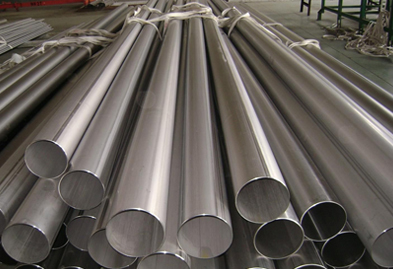
Carbon Steel Pipes and Tubes: Types, Grades, Applications and Selection Guide
Steel piping looks simple from the outside. A pipe is round, hollow and designed to carry something from one point to another. But anyone involved in an industrial project knows that choosing the right pipe is rarely that simple.
Temperature, operating pressure, fluid type, pipe diameter, wall thickness, manufacturing method and applicable standard all affect the final choice. A pipe that works well for a refinery process line may not be suitable for a low-temperature installation or a long-distance oil and gas pipeline.
Carbon steel remains one of the most widely used piping materials because it provides a practical balance of strength, availability, fabrication capability and cost. It is used across refineries, petrochemical plants, power projects, engineering facilities, oil and gas pipelines and many other industrial systems.
Understanding the main types, grades and standards makes procurement easier and helps avoid expensive specification mistakes.
What Is Carbon Steel Pipe?
Carbon steel pipe is primarily made from iron and carbon, along with controlled amounts of elements such as manganese, silicon, phosphorus and sulfur depending on the grade and specification.
Its mechanical properties vary according to composition, heat treatment and manufacturing process. This allows carbon steel piping to be produced for everything from general-purpose utility lines to demanding high-pressure and high-temperature applications.
One important point is that carbon steel should not automatically be considered corrosion-resistant. In environments involving moisture, aggressive chemicals, seawater or other corrosive conditions, suitable coatings, corrosion allowance, material treatment or an alternative alloy may be required.
The correct material should therefore be selected according to the actual operating environment rather than simply choosing a grade based on price.
Carbon Steel Pipe vs Carbon Steel Tube
Pipe and tube are often spoken about as though they are the same product, but technically they are selected and specified differently.
Pipe is normally associated with transporting liquids, gases, steam and other process media. It is generally identified using Nominal Pipe Size, or NPS, along with a schedule that indicates wall thickness.
Tube is more commonly specified using its actual outside diameter and wall thickness. Tubes are frequently used in heat exchangers, boilers, condensers, mechanical equipment, hydraulic applications and similar installations where dimensional control can be especially important.
This distinction matters during procurement. Ordering a 2-inch pipe and ordering a 2-inch outside-diameter tube may result in very different products.
Seamless Carbon Steel Pipes
Seamless pipe is produced without a longitudinal welded seam. This manufacturing route makes seamless material a common option for pressure piping, high-temperature service and other applications where the project specification specifically calls for seamless construction.
One widely recognised specification is ASTM A106.
ASTM states that A106 covers seamless carbon steel pipe intended for high-temperature service. The standard includes pipe suitable for forming and welding when appropriate procedures are followed. ASTM Store
For projects requiring this specification, Leoscor Alloy Pipes supplies ASTM A106 Grade B Pipe in different sizes and schedules for industrial requirements. Its product information identifies A106 Grade B as commonly used in plant, refinery and high-temperature piping service. Leo’s Corral Alloy Pipes
Seamless construction, however, should not automatically be treated as superior for every project. Modern welded pipes can perform very effectively when manufactured, inspected and specified correctly. The decision should follow the engineering requirement and applicable code.
Welded Carbon Steel Pipes
Welded pipe begins with steel plate, strip or coil that is formed into a cylindrical shape and joined along a seam.
Several manufacturing methods are used depending on pipe diameter, wall thickness and end application.
ERW, or electric resistance welded pipe, is widely used for many general piping and structural applications.
LSAW, or longitudinal submerged arc welded pipe, is commonly considered for larger-diameter and heavier-wall applications.
SAW refers more broadly to submerged arc welding methods used to produce large welded steel pipe.
Welded manufacturing becomes particularly useful when large pipe diameters are required, because producing very large seamless sections can become less practical or economical.
Leoscor Alloy Pipes lists seamless, ERW, LSAW and SAW forms within its carbon steel piping range. Leo’s Corral Alloy Pipes
Understanding ASTM A106 Grade B
ASTM A106 Grade B is one of the names buyers frequently encounter when sourcing process piping.
Its main distinction is important: ASTM A106 is specifically a seamless pipe specification intended for high-temperature service. ASTM Store
This makes it relevant to many process plants, refineries, power facilities and industrial piping systems where elevated operating temperatures are involved.
Before purchasing A106 Grade B material, buyers should still confirm the required NPS, schedule, length, end preparation, testing requirements and supporting documentation.
A material grade alone is not enough information for a complete industrial pipe enquiry.
Understanding ASTM A53 Grade B
ASTM A53 Grade B is another widely encountered carbon steel pipe grade.
It is used across mechanical, structural and pressure-related piping applications depending on the project specification. The key point for procurement teams is not to assume that ASTM A53 and ASTM A106 are interchangeable just because both may be available in familiar pipe dimensions.
Each standard has its own scope and requirements.
Leoscor Alloy Pipes maintains a dedicated ASTM A53 Grade B Pipe range as part of its carbon steel product portfolio. Leo’s Corral Alloy Pipes
When a project drawing or material specification clearly calls for A53, the enquiry should retain that specification rather than replacing it with another carbon steel grade without engineering approval.
ASTM A333 Grade 6 for Low-Temperature Service
Temperature becomes especially important when steel is exposed to cold operating conditions.
ASTM A333/A333M covers seamless and welded steel pipe intended for low-temperature service and applications where specified notch toughness is required. ASTM notes that the standard includes requirements involving tensile testing, impact testing, hydrostatic testing and nondestructive electric testing as applicable. ASTM Store
Grade 6 is one of the grades commonly specified within this family.
Leoscor Alloy Pipes supplies ASTM A333 Grade 6 Pipe for relevant industrial applications. Leo’s Corral Alloy Pipes
This is a good example of why operating temperature should always be included when requesting a quotation. Simply asking for “carbon steel pipe” does not provide enough information to identify whether a normal process grade or a low-temperature grade is required.
API 5L Carbon Steel Line Pipe
Pipeline projects introduce another important specification: API 5L.
API Specification 5L establishes requirements for seamless and welded steel line pipe used in energy transportation. API published the 47th edition of the specification in 2026, with requirements covering areas such as materials, manufacturing, inspection, testing, marking and traceability. American Petroleum Institute
API 5L grades are widely associated with pipelines transporting oil, natural gas and other energy products.
Grades such as X42, X52, X60, X65, X70 and X80 indicate progressively different minimum strength requirements and should be selected according to pipeline design calculations and project specifications.
For buyers requiring seamless line pipe, Leoscor provides an internal product range for API 5L Seamless Carbon Steel Pipes. Leo’s Corral Alloy Pipes
Why Pipe Schedule Matters
Selecting the correct grade is only part of the job. Wall thickness is equally important.
Industrial carbon steel pipe dimensions commonly follow schedules such as SCH 20, SCH 40, SCH 80, SCH 160 and XXS depending on pipe size and specification.
ASME B36.10 covers dimensional requirements associated with welded and seamless wrought steel pipe. ASME
A higher schedule generally means a greater wall thickness for a given nominal pipe size, but buyers should always check the dimensional table rather than assuming that the same schedule represents the same wall thickness across all diameters.
The schedule affects internal diameter, weight per metre, pressure capability, welding requirements, material quantity and total project cost.
This is why an enquiry stating only “6-inch carbon steel pipe” remains incomplete.
Selecting the Right Grade for the Application
The easiest way to narrow down a specification is to start with the service conditions.
| Requirement | Common Specification to Review |
|---|---|
| High-temperature process piping | ASTM A106 Grade B |
| General mechanical or utility piping | ASTM A53 Grade B |
| Low-temperature piping | ASTM A333 Grade 6 |
| Oil and gas transmission line | API 5L |
| Large-diameter line pipe | API 5L LSAW/SAW, depending on specification |
This table should be treated as an initial selection guide rather than a replacement for engineering design.
Pressure, temperature, fluid composition, corrosion conditions, applicable piping code, design life and customer specifications must all be reviewed before the final material is approved.
Common Industrial Applications
The demand for carbon steel pipes and tubes comes from their ability to serve a broad range of industrial systems while remaining readily available in numerous dimensions and specifications.
In refineries and petrochemical plants, carbon steel piping is used to move process fluids, hydrocarbons, gases, water and steam where the selected material grade is compatible with the design conditions.
Power plants require piping for steam, water and supporting utility systems. Heat exchangers and boilers may use carbon steel tubing selected according to specialised tube standards.
Oil and gas projects require both plant piping and long-distance line pipe. These can involve very different specifications even when the underlying material is carbon steel.
Engineering plants also use carbon steel products in machinery, fabrication, structural assemblies and general process systems.
Carbon Steel Boiler and Heat Exchanger Tubes
Tube specifications deserve separate attention because boiler and heat exchanger service can have different dimensional and testing requirements from conventional process pipe.
For example, ASTM A179 covers carbon steel tubing used for heat exchanger and condenser-related applications. Leoscor Alloy Pipes maintains a dedicated ASTM A179 / ASME SA179 Tubes product page.
For boiler and superheater requirements, its range also includes ASTM A210 Grade A1 Tubes and ASTM A192 / ASME SA192 Tubes.
Linking these product groups separately is useful because someone searching for boiler tubing may have a very different requirement from a buyer looking for an API 5L pipeline.
Information to Provide When Requesting a Quote
A well-prepared enquiry can save several rounds of emails between the purchasing team and supplier.
Instead of writing “Need carbon steel pipe, send price,” provide the standard and grade first. Then mention the nominal pipe size or outside diameter, wall thickness or schedule, required length, manufacturing type, end finish and quantity.
The enquiry should also specify whether seamless, ERW, LSAW or another manufacturing route is mandatory.
For critical projects, include requirements for mill test certificates, inspection, testing, third-party inspection, coating, marking and any project-specific documentation.
Leoscor Alloy Pipes states that its carbon steel range includes ASTM A106, A53, A333, A671, A672 and API 5L specifications, with seamless and welded forms available across different sizes and schedules. Leo’s Corral Alloy Pipes
Why Material Documentation Matters
Industrial piping cannot be evaluated only by appearance.
Two pipes can look almost identical while having different chemical compositions, mechanical properties, manufacturing histories and testing requirements.
Material documentation helps connect the supplied material with the required specification. Depending on the order, documentation may include a Mill Test Certificate containing information about chemistry, mechanical properties, heat numbers and relevant test results.
Traceability becomes especially important in refinery, petrochemical, power, oil and gas, pressure equipment and other critical projects.
Buyers should therefore define certificate and inspection requirements when sending the enquiry rather than waiting until the material is ready for dispatch.
Choosing a Carbon Steel Pipe Supplier
Price matters, but industrial pipe procurement should not be treated as a simple lowest-price purchase.
Availability of the correct grade, dimensional accuracy, documentation, traceability, inspection capability, packaging and logistics can all affect the project.
A supplier should also understand the difference between process pipe, line pipe, boiler tube and mechanical tubing rather than treating every carbon steel product as interchangeable.
Leoscor Alloy Pipes operates as a supplier, stockist and exporter of carbon steel piping from Mumbai, India. Its listed stock range covers standards including ASTM A106, ASTM A53, ASTM A333 and API 5L, with several manufacturing forms and wall schedules available. Leo’s Corral Alloy Pipes
For project-specific availability, buyers can contact Leoscor Alloy Pipes with the required grade, size, schedule, length and quantity.
Frequently Asked Questions
What is the main difference between seamless and welded carbon steel pipe?
Seamless pipe does not contain a longitudinal welded seam, while welded pipe is produced by forming steel and joining it along a seam. Both can be suitable for industrial service when they comply with the required standard, manufacturing specification and project design conditions.
Which carbon steel pipe is commonly used for high-temperature service?
ASTM A106 is specifically defined by ASTM as a seamless carbon steel pipe specification for high-temperature service. ASTM Store The final grade, schedule and dimensions still need to match the engineering specification.
Which carbon steel pipe is suitable for low temperatures?
ASTM A333 covers seamless and welded pipe intended for low-temperature service and applications requiring notch toughness. Grade 6 is one commonly specified grade within this standard. ASTM Store
What is API 5L pipe used for?
API 5L applies to steel line pipe used in energy transportation systems. The specification includes requirements covering seamless and welded manufacturing, material properties, inspection, testing, marking and traceability. American Petroleum Institute
What details should be included when buying carbon steel pipe?
A complete enquiry should normally state the material standard, grade, NPS or outside diameter, schedule or wall thickness, manufacturing method, length, end finish, quantity, testing requirements and required documentation.